Is hip pain turning your everyday life into a challenge? You’re not alone. Whether it’s walking up the stairs, getting out of a chair, or sleeping peacefully at night, chronic hip discomfort can take a serious toll on your quality of life. For many, joint replacement surgery offers a long-term solution. But despite its growing success rate, this surgery is surrounded by misconceptions that cause unnecessary fear and delay in seeking treatment.
At DR. G.K BONES ADVANCED BONES AND JOINT CENTRE- best orthopaedic hospital in Banashankari, we’ve seen how timely, expert-led joint replacement surgeries have changed lives-restoring mobility and confidence in people who once thought they’d never walk without pain again.
In this blog, we’ll walk you through everything you need to know about joint replacement surgery. From clearing out common myths to understanding when surgery becomes necessary, we’ve got it covered. We’ll also explore non-surgical options, FAQs, and real facts that can help you or your loved ones make informed decisions.
WHAT EXACTLY IS HIP REPLACEMENT SURGERY?
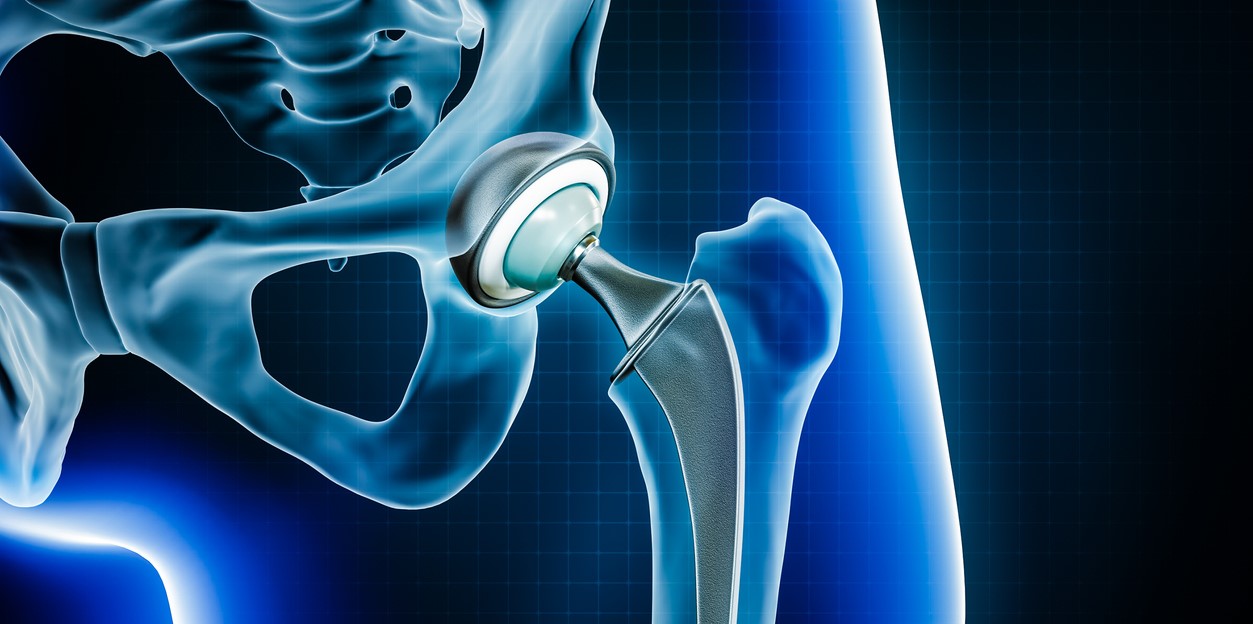
Hip replacement surgery, also known as hip arthroplasty, is a medical procedure where a damaged or worn-out hip joint is replaced with an artificial implant. This can include replacing the ball and/or socket of the hip joint with durable materials such as ceramic, metal, or plastic.
The goal? To eliminate pain, improve mobility, and enhance your quality of life. This surgery is typically performed when other treatments like physiotherapy, medications, or lifestyle changes no longer provide relief. Thanks to advances in medical science, hip replacement is now safer, less invasive, and offers faster recovery times than ever before.
WHEN AND WHY IS HIP REPLACEMENT SURGERY REQUIRED?
Hip replacement surgery is usually considered when the hip joint becomes severely damaged, painful, or dysfunctional, affecting your ability to perform everyday activities like walking, climbing stairs, or even sitting and sleeping comfortably.
Here are common medical reasons it might be required:
- Osteoarthritis: This is the most common reason. The cartilage that cushions the hip joint wears away over time, leading to painful bone-on-bone contact.
- Rheumatoid Arthritis: An autoimmune disease causing chronic joint inflammation, which leads to stiffness, swelling, and joint damage.
- Avascular Necrosis (AVN): When the blood supply to the hip bone is reduced or cut off, the bone starts dying and eventually collapses.
- Post-Traumatic Arthritis: After an accident or injury to the hip, joint surfaces may become uneven or worn out, leading to chronic pain.
- Fractures: In older adults or those with osteoporosis, hip fractures are common and sometimes irreparable without replacing the joint.
TABLE SHOWING MYTH VS FACTS-
| Myth | Facts |
| 1. Hip Replacement is only for elderly people | People as young as 30–40 undergo hip replacements, especially due to injuries or arthritis. |
| 2. The artificial joint lasts only a few years | Modern implants can last 20+ years with proper care. |
| 3. It takes months to recover. | Most patients start walking with assistance in a day or two; full recovery varies but starts early. |
| 4. You can’t do normal activities post-surgery. | You can return to normal life, including walking, cycling, and even gentle sports. |
| 5. Surgery is risky and painful. | With modern techniques and anesthesia, the procedure is safe and relatively pain-controlled. |
| 6. You’ll always need a walker or stick. | Assistive devices are temporary; many patients walk independently within weeks. |
| 7. You should wait until the pain is unbearable. | Early surgery can lead to better results and easier recovery. Waiting too long can worsen joint damage. |
CAN HIP PROBLEMS BE TREATED WITHOUT SURGERY?
Yes, not all hip issues require surgery immediately. In fact, many hip problems, especially in early stages, can be managed effectively with non-surgical treatments. The goal is to reduce pain, improve joint function, and delay or avoid surgery altogether if possible.
Here are non-surgical options you can explore:
- Physical Therapy: Targeted exercises can strengthen muscles around the hip, reduce stiffness, and improve movement.
- Weight Management: Excess weight puts more strain on your hip joints. Losing even a few kilos can significantly reduce pain.
- Medication: Anti-inflammatory drugs and pain relievers can offer temporary relief and reduce swelling.
- Joint Injections: Corticosteroid or hyaluronic acid injections can provide longer-lasting relief from inflammation or joint dryness.
- Lifestyle Modifications: Avoiding high-impact activities, using supportive footwear, or using walking aids can ease stress on the joint.
FAQs-
1. How long does hip replacement surgery take?
-Usually around 1–2 hours, depending on the complexity.
2. How soon can I walk after surgery?
-Many patients begin walking with help within 24–48 hours after the procedure.
3. Is it a permanent solution?
-Most implants last 15–25 years or more, depending on age and activity levels.
4. Will I be able to bend or sit on the floor after surgery?
-Yes, with proper physiotherapy and recovery, most patients regain good flexibility.
CONCLUSION-
Hip replacement surgery is not as intimidating as it’s often made out to be. With the right medical guidance, it can truly be a life-changing decision because it restores movement and comfort. At DR. G.K BONES ADVANCED BONES AND JOINT CENTRE- best orthopaedic hospital in Banashankari, , we combine expert surgical care with compassionate patient support to make your journey smooth from start to finish. We also provide treatments for joint replacement surgery, arthroscopic procedures, sports and ligament injury, and many more. Book your consultation with us now!